
What you’ll learn in this article…
- WVU's free annual day camp hosts 75 high school students for hands-on simulations, addressing West Virginia's projected 20 percent nursing shortage.
- Roughly 189,000 registered nurse openings are expected each year through 2034, making early pipeline recruitment essential.
- Sustainable camp funding combines public grants, hospital sponsorships, and in-kind contributions rather than relying on a single source.
- Tracking participants from camp attendance through nursing program enrollment provides the concrete data needed to justify continued investment.
The Bureau of Labor Statistics projects RN employment to grow about 5 percent from 2024 to 2034, averaging roughly 189,000 openings annually. That modest pace masks a sharper reality: retirements, an aging population, and rural shortages are already straining the pipeline, and many states face deficits far larger than the national average suggests.
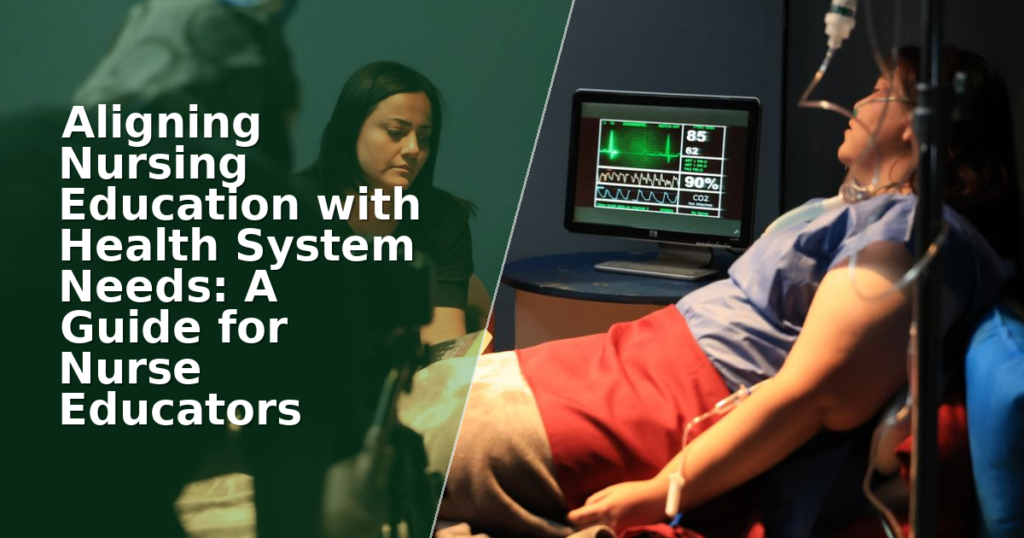
High school nursing camps remain an under-used, evidence-informed recruitment tool. West Virginia University's free day camp, now in its fourth year, uses simulation labs, mock lectures, and campus tours to give 75 students a concentrated preview of nursing school. Early indicators from programs like this show that a well-run camp can shift application numbers in a tight labor market.
The opportunity for nurse educators is to treat these camps not as one-off events but as scalable pipeline-building strategies that convert curiosity into enrollment. If the nurse educator shortage concerns you, building recruitment pipelines that start in high school is one of the most proactive steps you can take.
Why High School Nursing Camps Matter for the Workforce Pipeline
The U.S. Bureau of Labor Statistics projects registered nurse employment to grow about 5% between 2024 and 2034, with roughly 189,000 openings each year. That headline number, while modest sounding, dramatically understates real demand: it folds together net growth with replacement needs from a workforce where a large cohort is approaching retirement. The actual seats nursing schools need to fill, and keep filled, run well above what a 5% growth figure suggests.
The Rural Cliff Is Steeper
National averages hide where the pain lands hardest. A West Virginia University policy report estimates the state is short nearly one-fifth of its registered nursing workforce. Rural and medically underserved states tend to lose graduates to metro markets, struggle to recruit transplants, and rely heavily on homegrown talent. The ongoing nursing faculty shortage compounds the problem, because even states with willing applicants cannot expand class sizes without qualified instructors. If you are a nurse educator in Appalachia, the Mississippi Delta, the Mountain West, or rural New England, the math is unforgiving: the students who will staff your local hospitals in 2032 are sitting in your local high schools right now.
Why Traditional Outreach Falls Flat
Career fairs, brochures, and 20-minute classroom visits ask teenagers to imagine themselves in a profession they have never physically encountered. A student who has never held a stethoscope, palpated a simulated pulse, or stepped into a sim lab cannot picture the daily texture of nursing work. For first-generation college students and teens with no family connection to healthcare, that imagination gap is the single biggest barrier to applying. National data from the American Association of Colleges of Nursing shows entry-level BSN application interest is rising, but interest does not automatically convert into a completed application from a rural sophomore who has never met a nurse outside a clinic visit.2
Camps as Experiential Marketing
A well-designed camp compresses a semester of outreach into a single immersive day. Students touch the equipment, run a scenario, ask a faculty member what a 12-hour shift actually feels like, and walk a college campus they may have only driven past. A 2025 feasibility study recruited 31 high school students into a nursing pipeline program; 27 completed the experience, and 15 subsequently enrolled in college.1 Across the broader literature, seven prior studies examined similar pipeline programs, yet none reported enrollment conversion rates for nursing specifically.1 The signal is promising enough to act on while the evidence base matures, and states with the highest demand for nurse educators stand to benefit most from building these pipelines early.
Inside a Successful Camp: The WVU Model
Running a high school nursing camp costs real institutional resources, so the question every educator faces is whether those resources produce measurable recruitment results. West Virginia University's approach offers a clear answer, and the details are worth benchmarking closely.
A Four-Year Tradition Built Around Access
On June 6, 2026, WVU School of Nursing will host its fourth annual free day camp for high school students at the West Virginia Simulation Training and Education for Patient Safety (STEPS) Center in Morgantown.1 The camp is free to every attendee, includes lunch, and sends each student home with a WVU School of Nursing shirt. That cost structure is not incidental. When an institution absorbs every expense, it removes the financial friction that typically stops rural families from participating in enrichment programs. The shirt and the meal are small gestures, but they signal that the school values the student's time enough to invest in the experience. For prospective students weighing whether nursing is a realistic path, that signal carries weight.
Logistics That Other Programs Can Replicate
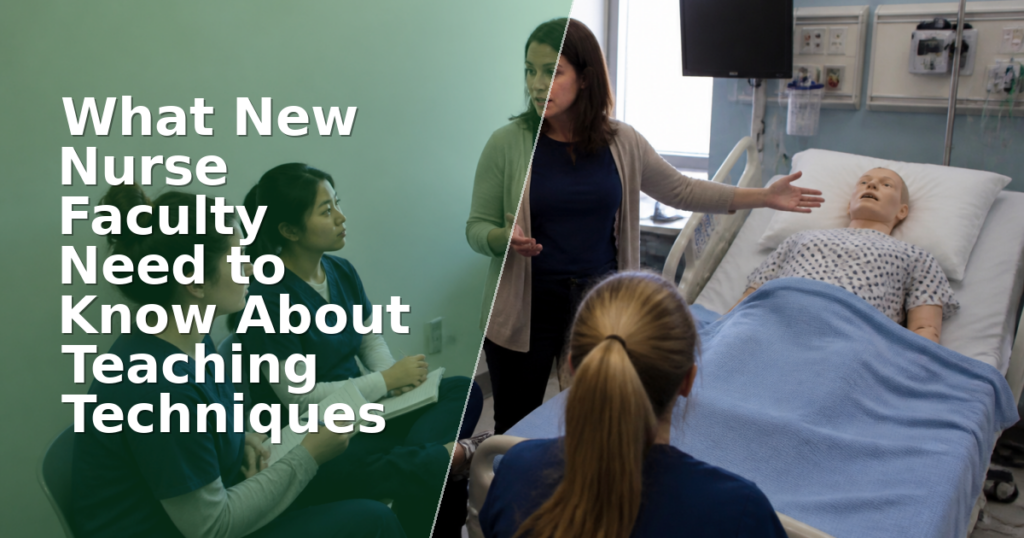
The camp caps enrollment at 75 students.1 That number is deliberate. A group of 75 is large enough to justify faculty time but small enough to allow genuine interaction between students and instructors. Campers move through a sequence designed to show nursing education in full: hands-on simulations at the STEPS Center, a mock lecture, an information session, and a guided tour of the Health Sciences Center campus. Each activity answers a different student concern. The simulation addresses the question of what nursing actually looks like day to day. The mock lecture answers the question of what classroom learning feels like. The campus tour makes an abstract institution feel concrete and navigable.
These activities also reflect innovative teaching strategies in nursing education, where experiential learning replaces passive observation. The single-day format is another strategic choice. Overnight programs ask families to arrange lodging, manage transportation across two days, and trust a school their child may never have visited. A Saturday camp removes all of that friction, which matters enormously for students in rural counties where the distance to Morgantown already represents a barrier.
Faculty Visibility as a Recruitment Signal
Two senior faculty members participate directly: Dr. Brad Phillips, Associate Dean of Undergraduate Programs, and Dr. Tina Antill Keener, Director of the Bachelor of Science in Nursing Program.1 Their presence is a deliberate recruitment lever. When a 17-year-old meets the people who actually lead a program, rather than a marketing representative, the school communicates seriousness. Parents notice this too. Faculty visibility at a free, single-day event tells prospective students and their families that the institution treats recruitment as an educational responsibility, not just a marketing exercise.
The Core Lesson for Educators Elsewhere
The WVU model works because it stacks several low-barrier design choices together. Using an existing simulation center keeps facility costs near zero. Capping enrollment at 75 protects the quality of interaction. A single-day format serves rural families who cannot commit to overnight programs. Covering all costs removes economic hesitation. Given that nurse educator demand continues to grow nationally, programs everywhere have reason to invest in pipeline strategies like this. Any nursing program with access to a skills lab or simulation suite can adapt this framework without building infrastructure from scratch. The investment is primarily faculty time, and the return is a cohort of high school students who have held a stethoscope, walked a health sciences building, and heard directly from program leadership about what nursing education can look like.
Questions to Ask Yourself
Other Camp Models Worth Studying
A day camp in a simulation lab or a week-long residential immersion on a college campus? The format you choose shapes the experience and the students you attract. While the WVU model demonstrates a free, single-day event with hands-on simulation, a broader landscape of camp designs offers templates for every institutional context, from budget-conscious community colleges to research universities aiming to deepen the pipeline.
Day Camps: Low-Cost, High-Impact Engagements
Day camps remove overnight costs and liability, making them the most accessible entry point for many schools. The University of Portland runs a free day camp that packs exposure activities into a single session. Wright State University offers a low-cost option that includes CPR certification, adding a tangible credential that appeals to career-minded students. Seattle Children's Hospital focuses a camp exclusively on pediatric nursing, linking directly to specialty workforce needs. These models work well for institutions with limited residential facilities or those targeting local high schoolers who can commute.
Overnight Immersions: Living the Nursing Student Life
Residential camps give students a taste of college life, including dorm stays, dining halls, and evening social activities, alongside nursing content. Auburn University's overnight camp extends the experience beyond class hours, fostering deeper bonds and sustained interest. The University of Mary Hardin-Baylor's Explore Cru Nursing Summer Camp combines classroom time and simulation labs with faith-based campus immersion, showing how mission-driven institutions can weave identity into recruitment.1 For students who travel from rural areas or other states, the overnight format may be the only feasible way to attend.
Models That Broaden the Pipeline
Some programs explicitly target underrepresented or first-generation students. Austin Peay State University's Summer Healthcare Programs offer week-long overnight experiences designed for students from lower-income backgrounds, placing nursing within a larger health professions umbrella to widen exposure.2 Morehouse College's Pre-Health/STEM Summer Academy, an HBCU-based multi-week residential program, delivers rigorous STEM coursework, mentoring, and college readiness workshops at low or no cost.3 These models illustrate how intentional recruitment, not just general outreach, can shift the demographics of future nursing cohorts. Educators interested in how nurse educators promote health equity will find these pipeline programs especially relevant.
Finding the Right Fit for Your Institution
- Budget-conscious or new to camps? Start with a free one-day event like Portland's or Wright State's. Partner with a local simulation center to keep costs down.
- Want a deeper pipeline? An overnight camp like Auburn's or UMHB's builds stronger relationships and may convert more attendees into applicants.
- Serving a rural or underserved region? Consider a multi-day overnight model (Austin Peay) or a focused HBCU approach (Morehouse) to attract students who might not otherwise see nursing as achievable.
- Emphasis on data and outcomes? Track long-term conversions, including applications, enrollments, and graduations, to refine your model and secure ongoing funding.
Designing Your Camp Curriculum: What to Include
A camp curriculum is the structured schedule of activities, demonstrations, and hands-on exercises that guide high school students through a concentrated preview of what nursing school and nursing practice actually feel like. The single most important design principle is this: students should be doing nursing, not just hearing about it. Plan for at least 60 percent of scheduled time to be active, hands-on engagement. Passive lectures and slideshow presentations have their place, but teenagers remember what they touch, practice, and problem-solve far more vividly than what they watch from a seat.
Building a Sample Day Schedule
A well-paced camp day moves students through varied experiences so energy stays high and curiosity keeps building. Here is one framework that works well in a single-day format:
- Morning simulation rotations (2 to 2.5 hours): Small groups cycle through stations covering vital signs assessment, basic wound care, and injection practice on mannequins. If your school has a simulation center, this is the time to use it. Students get gloves on, stethoscopes in hand, and start connecting textbook concepts to physical actions.
- Midday mock lecture or specialty panel (45 to 60 minutes): A brief, interactive classroom session lets students experience the academic side. Pair it with lunch and a Q&A panel featuring faculty, current nursing students, and working nurses from different specialties.
- Afternoon clinical skills stations and campus tour (1.5 to 2 hours): Rotate through additional skill stations, then close with a guided tour of the health sciences campus so students can picture themselves in that environment.
Adding Credentialing Opportunities
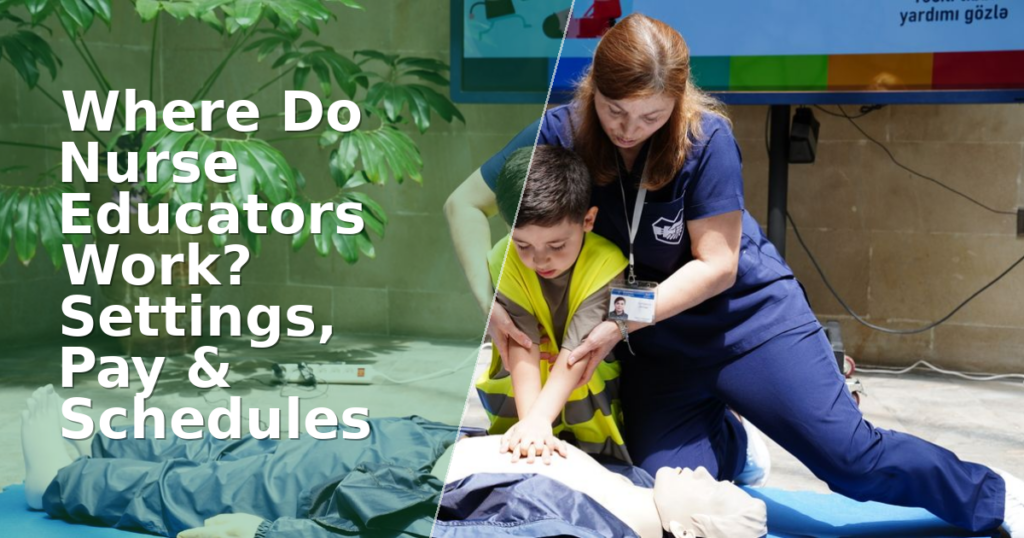
One of the smartest moves you can make is building micro-credentials into the day. Offerings like CPR or BLS certification, Stop the Bleed training, or basic first aid instruction give students something tangible to list on a college application or resume. These credentials also reinforce the message that nursing is a profession where competence matters from day one, and that your program takes students seriously enough to invest in their development before they even apply.
Exposing Students to Nursing's Full Breadth
Many high schoolers picture nursing as a single job at a hospital bedside. Specialty exposure stations shatter that assumption. Set up brief rotations through pediatric assessment, emergency triage scenarios, mental health de-escalation role-plays, and geriatric mobility exercises. Even 15 minutes at each station opens students' eyes to career paths they never considered. If you need inspiration for structuring these rotations, reviewing what subjects nurse educators teach can help you map the breadth of content areas to age-appropriate camp activities. The goal is to position nursing education as a gateway to dozens of distinct roles rather than one narrow track.
The College-Admissions Angle
Finally, consider offering a certificate of completion or creating a pathway for standout participants to request a letter of recommendation from faculty. These concrete admissions assets turn a fun Saturday into a strategic advantage for college-bound students, and they give your program an early, positive touchpoint with prospective applicants. For educators weighing whether recruitment outreach like this fits their professional path, understanding why nurses become nurse educators can reaffirm the value of these pipeline efforts. When a student later applies to your nursing program with your own camp certificate in hand, the recruitment loop closes naturally.
Sample Nursing Camp Day at a Glance
A well-structured camp day balances informational sessions with hands-on activities, and every block should quietly serve a recruitment purpose. Below is a sample schedule you can adapt for a six-to-eight-hour day camp modeled on programs like WVU's annual event.

Partnering With Schools, Hospitals, and Community Organizations
Building a nursing camp from scratch can feel like a solo mission, but the most successful camps thrive on partnerships that share the workload and multiply impact. The real magic happens when you weave together three distinct strands: high school guidance counselors who know which students dream of healthcare, health system partners who can open doors to clinical spaces and practicing nurses, and community organizations that bridge the gap to underserved youth. Without all three legs, your camp risks preaching to the choir or struggling to fill seats.
The Three-Legged Partnership: Schools, Health Systems, and Community Anchors
Each partner fills a unique role. Guidance counselors are your on-the-ground recruiters. They know the students who show glimmers of curiosity in science class but might never consider nursing without a nudge. Equip them with a one-page camp fact sheet they can literally hand to a student: dates, activities, cost (free, whenever possible), and a bulleted list of what a student will gain. Health systems, especially Chief Nursing Officers, are eager for early pipeline visibility. Invite a CNO to sponsor lunch in exchange for a short talk on career paths or permission to display their branding. In return, they get face time with potential future hires and a direct line to a more diverse applicant pool. Rural AHECs or similar community health education centers can serve as the logistical spine, arranging buses from counties that are hours away, transforming a day camp into a truly accessible event.1
Concrete Outreach Tactics That Move Students to Sign Up
Move beyond emails to a persistent, personal approach. Host family information nights, either live or virtual, where parents learn about nursing careers and financial aid pathways.1 Send tailored invitations through school-based health science CTE teachers, not just generic postings. For students from groups underrepresented in nursing, reach deeper: partner with tribal health programs, Title I schools, and local chapters of organizations like the National Black Nurses Association.2 Use local demographic data to identify high schools where few graduates pursue health professions, and then go there.3 Reviewers trained in implicit bias can help ensure selection rubrics value life experience, community engagement, and resilience, not just GPA.3
Diversifying Your Applicant Pool Through Intentional Partnerships
A DEI-focused camp doesn't happen by accident; it requires naming the gaps and closing them with persistent proactive outreach.2 Build long-term relationships with minority-serving institutions and community colleges to create a seamless pathway from camp to BSN program. When you offer stipends for transportation or meals, you remove barriers that might otherwise exclude a promising student.1 Consider dual-enrollment health pathway agreements that let campers earn college credit while still in high school, a proven strategy in rural pipeline programs. For truly underserved areas, mobile simulation programming or virtual outreach can bring the camp experience to the school parking lot.
The "What's In It for Them" Pitch That Seals the Deal
Every partner needs a clear benefit. Hospitals gain a structured pipeline that starts in high school, not just a recruiting table at a college career fair. Schools earn a concrete college-readiness activity that counselors can point to on transcripts and parent nights. AHECs and community organizations fulfill their core mission of health education and workforce development. Frame the camp not as a one-off event but as the first touchpoint in a longitudinal mentoring journey that includes follow-up workshops, tutoring, and financial aid navigation.4 When everyone sees the camp as a long-term investment rather than a day of babysitting, the partnership sticks. If you are also thinking about how to become a nurse educator, leading one of these camps can be a compelling way to demonstrate your commitment to the profession's future.
Funding and Logistics: Running a Free or Low-Cost Camp
Securing funding for a free or low-cost nursing camp is less about a singular pot of money and more about knowing where to look. The most sustainable approach combines public grant databases, local partnerships, and in-kind contributions, all verified through authoritative sources to ensure your proposals are grounded in real workforce needs.
Start with Federal and State Grant Databases
Federal agencies such as the Health Resources and Services Administration (HRSA) regularly fund nursing workforce development initiatives. Search Grants.gov using keywords like "nursing pipeline," "youth health careers," or "pre-nursing recruitment." State workforce development boards and area health education centers (AHECs) also administer grants that support career exploration for high school students. Many of these programs explicitly encourage partnerships between educational institutions and healthcare providers. When you find a promising notice, read the eligibility criteria carefully: some grants require matching funds or in-kind contributions, which can often be met through partnerships with local hospitals or community foundations.
Leverage Institutional and Community Partnerships
Your own institution may have untapped resources. Contact your development or grants office to learn about internal seed funding, donor-designated funds, or alumni gifts earmarked for community outreach. Outside the university, approach local hospitals, nursing homes, and public health departments. Many are eager to invest in their future workforce and may offer sponsorships, free use of simulation labs, or staff time. In return, offer visible recognition and a chance to connect with potential future employees. These arrangements can significantly reduce your out-of-pocket costs, keeping the camp free for students. For broader guidance on career development tools and grant templates, explore our collection of nurse educator resources.
Verify Economic Data Through Official Sources
Ground your funding requests in credible data. The Bureau of Labor Statistics (BLS.gov) publishes projections for registered nursing employment and state-level wages. Use these figures to demonstrate workforce gaps in your region. For local context, consult state nursing workforce reports, often available through professional nursing associations or state boards of nursing. When writing grant narratives, avoid citing third-party summaries; always pull numbers directly from the BLS or your state government website. This rigor not only strengthens your application but also helps you design a camp that aligns with actual labor market needs.
Budgeting for Free or Low-Cost Camps
Even with external funding, careful budgeting is essential. Start with a lean budget that prioritizes essentials: facility access, supplies for hands-on simulations, food, and printed materials. Use volunteer faculty, nursing students, or retired nurses to staff activities, dramatically reducing personnel costs. If a fully free camp isn't feasible, consider a nominal registration fee (e.g., $10 to $20) that can be waived for students with financial need. Offer official receipts for tax-deductible donations, and track all in-kind contributions, as they can count toward matching requirements. Documenting your budget and sources also makes it easier to replicate the camp in future years and to share a replicable model with other nurse educator programs.
Measuring Long-Term Recruitment Impact
A well-run nursing camp can generate genuine enthusiasm among high school students, but enthusiasm alone will not keep the program funded. Without concrete data tying camp participation to future enrollment, administrators will view the event as a feel-good activity rather than a strategic investment. Tracking outcomes transforms anecdotal success stories into the kind of evidence that sustains budgets year after year.
A Three-Tier Measurement Framework
Think of camp impact in three time horizons, each requiring different data collection methods.
- Immediate (day of and two weeks after): Distribute brief post-camp surveys that capture interest level, likelihood of pursuing nursing, and specific activities that resonated. These results give you quick feedback for curriculum tweaks and a baseline measure of intent.
- Medium-term (one to three years): Track whether camp alumni later apply to or enroll in your nursing program. This is the tier that most directly demonstrates recruitment return on investment.
- Long-term (five to ten years): Follow up with alumni who did enter nursing to learn whether they graduated, earned licensure, or remained in the state workforce. This layer is ambitious, but it speaks directly to pipeline effectiveness and is especially compelling in areas facing a nurse educator shortage.
Practical Steps to Start Tracking
You do not need a sophisticated database to begin. A few low-cost practices go a long way.
- Collect each camper's name, email, high school, and expected graduation year using a registration form with clear opt-in consent for future contact.
- Build a simple spreadsheet or use your institution's existing customer relationship management tool to log participants by camp year.
- Partner with your admissions office to flag camp alumni when their applications arrive. Many student information systems allow custom tags, so ask your registrar about adding one.
- Send a short annual check-in survey to past campers, even a single question asking whether they are considering or have enrolled in a nursing program.
What the Evidence Shows (and What It Does Not)
Honesty matters here: few nursing camp programs have published longitudinal conversion data. The University of Portland's four-day High School Nurse Camp, the University of Washington Nurse Camp (which focuses on increasing diversity in nursing), and TCU's camp for high school juniors and seniors all run established programs, yet none have released public outcome reports linking attendance to later enrollment.123 The American Association of Colleges of Nursing tracks macro-level enrollment trends, which have been increasing nationally, but does not attribute those changes to specific pipeline activities like camps.4
Some health professions pipeline programs outside nursing have reported that roughly 30 to 40 percent of participants later applied to related programs, though those figures come from varied contexts and should be treated as loose reference points rather than universal benchmarks.
This research gap is itself an opportunity. If you are a nurse educator running or planning a camp, even basic tracking data published in a journal like *Nursing Education Perspectives* would fill a meaningful void in the literature and strengthen the case for camps everywhere. Your next cohort of campers could become both future nurses and the evidence base that funds the camps behind them.
Nurse Educator Salary Snapshot (2026 BLS Data)
When you organize a high school nursing camp, you are not only recruiting future nurses but also showcasing the career you hold as a nurse educator. Understanding where your own compensation fits helps you speak authentically to students, parents, and administrators about the profession. According to the 2024 Occupational Employment and Wage Statistics published by the U.S. Bureau of Labor Statistics, approximately 74,250 nursing instructors and teachers work at postsecondary institutions nationwide, a workforce that needs to grow if schools are going to train enough nurses to fill the roughly 189,000 registered nurse openings projected each year through 2034.
| Metric | Value |
|---|---|
| Occupation | Nursing Instructors and Teachers, Postsecondary |
| Total National Employment | 74,250 |
| Median Annual Salary | $79,940 |
| 25th Percentile Annual Salary | $62,210 |
| 75th Percentile Annual Salary | $102,020 |
| Mean Annual Salary | $87,090 |
Common Questions About High School Nursing Camps
Whether you are a nurse educator considering hosting a camp or a colleague fielding questions from curious families, these are the questions that come up most often. The answers draw on real program examples, including WVU School of Nursing's free day camp model, to give you concrete details you can share or adapt.
What do you do at a nursing camp?
Participants typically rotate through hands-on simulation stations where they practice skills like wound assessment, vital-sign monitoring, and patient communication. Many camps also include a mock college lecture, a tour of simulation or clinical facilities, and informal Q&A sessions with nursing students and faculty. At WVU's camp, for example, high schoolers use the STEPS Center's simulation labs, attend an information session, and tour the Health Sciences Center campus.
Are there free nursing camps for high school students?
Yes. Several university nursing programs offer no-cost camps to lower barriers for underrepresented or rural students. WVU School of Nursing, for instance, hosts an annual free day camp that provides lunch, a school of nursing shirt, and all materials at no charge. Registration is limited to 75 spots and fills quickly, so encourage interested students to sign up early. Other institutions fund camps through grants, hospital partnerships, or alumni donations.
Do nursing summer camps help with college admissions?
While attending a camp does not guarantee admission, it demonstrates genuine interest in nursing and gives students meaningful experiences to discuss in application essays and interviews. Camp participants often gain a clearer understanding of the profession, which helps them write stronger personal statements. Some admissions committees look favorably on candidates who have explored the field through structured pipeline programs like these.
What age do you have to be to attend a nursing camp?
Most camps target rising sophomores through seniors in high school, typically ages 15 to 18. Some overnight programs require participants to be at least 16. Day camps, like WVU's model, generally welcome any currently enrolled high school student. Always check the hosting school's specific eligibility requirements, as age minimums, grade levels, and geographic restrictions vary by program.
Do nursing camps offer CPR certification or college credit?
Some do, but it depends on the program. Certain overnight or multi-day camps include American Heart Association CPR or Basic Life Support certification as part of the curriculum. A smaller number partner with their university's admissions office to offer a transferable college credit. Day camps tend to focus on exploration rather than credentialing. If certification or credit is important to your recruitment goals, build those components into your planning early.
How can nurse educators start a nursing camp at their school?
Begin by securing support from your department chair or dean, then identify a simulation lab or clinical space you can use on a low-traffic day, such as a Saturday. Recruit faculty volunteers and current nursing students as mentors. Partner with local school districts and guidance counselors to market the event. Keep the first cohort small (30 to 50 students) so you can refine the curriculum before scaling. Grant funding or hospital sponsorships can cover food, supplies, and promotional materials.
What does it actually take to launch a nursing camp at your institution? Less than you think. WVU's free, single-day event for 75 students, built around an existing simulation center and staffed by current faculty, proves that a camp does not require a dedicated budget line or a year-long planning committee to move the enrollment needle.
Pick one model from this article that fits your resources, whether that is a half-day sim lab visit or a partnership with a single local high school. Identify your first three partners: a school counselor, a clinical site, and an internal champion. Then set a target date twelve months out. The qualities of a good nurse educator include mentoring the next generation before they ever set foot in a classroom. A camp a year from now starts with one email today. Send it.